
BACK TO ALL BLOGS 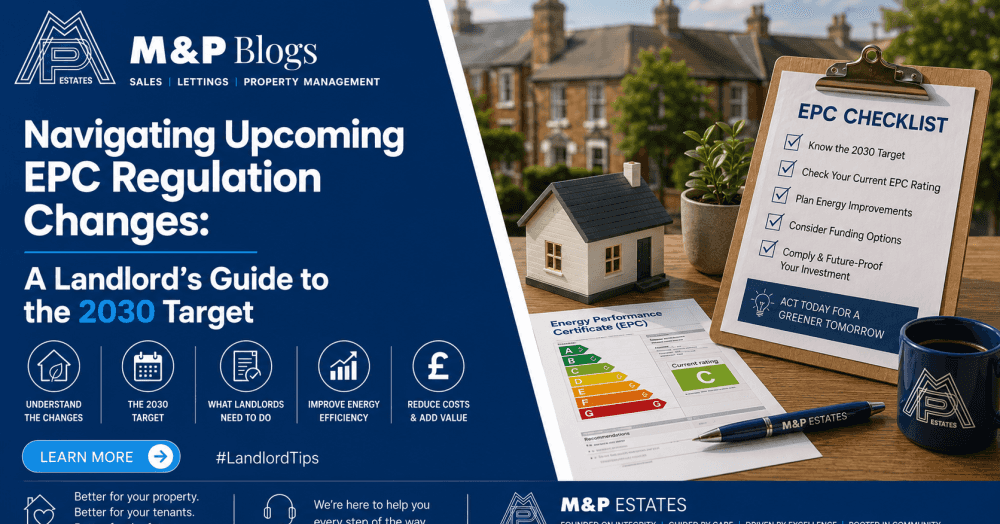
Navigating Upcoming EPC Regulation Changes: A Landlord's Guide to the 2030 Target
The landscape of property letting in the UK is continually evolving, with a significant focus now on environmental sustainability. For landlords, this means keeping a close eye on Energy Performance Certificate (EPC) regulations, particularly the proposed changes targeting 2030. While the exact legislation is still being finalised, it's vital to understand the direction of travel and start preparing now.
What are the Proposed EPC Changes?
Currently, most rental properties must have an EPC rating of 'E' or above. However, the government has outlined proposals to significantly raise this minimum standard. The key proposal suggests that by 2025, all new tenancies will require an EPC rating of 'C' or higher, and by 2028, all existing tenancies will also need to meet this 'C' rating. While these dates have seen some debate and potential shifts, the overarching goal remains clear: to improve the energy efficiency of rental homes across the country.Achieving a 'C' rating means your property will need to demonstrate a higher level of energy efficiency, reducing its carbon footprint and, often, its running costs for tenants. This is a substantial leap for many properties, especially older ones, which may currently sit at 'D' or 'E' ratings.
Why are These Changes Being Introduced?
These regulations are part of the UK government's broader commitment to achieving net-zero carbon emissions by 2050. Improving the energy efficiency of homes is a critical component of this strategy, aiming to reduce energy consumption, lower household bills, and enhance the comfort of tenants. For landlords, while it represents an investment, it also offers the opportunity to future-proof assets and potentially attract more environmentally conscious tenants.
Practical Steps Landlords Can Take Now
Proactive preparation is key to navigating these changes smoothly. Here are some practical steps you can take:
1. Review Your Current EPCs
The first step is to understand where your properties currently stand. Locate the EPC for each of your rental properties. If you don't have a current one, you can find it on the government's EPC register. This will give you a clear picture of your current rating and highlight areas for improvement.
2. Get a Professional Assessment
Consider commissioning an updated EPC assessment, even if your current one is still valid. An assessor can provide specific recommendations on how to improve your rating to a 'C' or higher. They can also advise on the most cost-effective improvements for your particular property.
3. Prioritise Energy-Efficient Upgrades
Based on the recommendations, start planning and budgeting for necessary upgrades. Common improvements that can significantly boost an EPC rating include:
• Insulation: Loft, wall, and floor insulation are often the most impactful and cost-effective upgrades.
• Heating Systems: Upgrading to a more efficient boiler or exploring renewable heating options like heat pumps.
• Windows and Doors: Replacing single-glazed windows with double or triple glazing.
• Lighting: Switching to LED lighting throughout the property.
• Renewable Energy: Installing solar panels, where feasible, can provide a significant boost to your rating.
4. Budget and Plan Ahead
These upgrades can represent a significant investment. Start budgeting now and consider a phased approach to improvements, tackling one property or one set of upgrades at a time. Explore any potential grants or funding schemes that may become available to support landlords in making these changes.
5. Seek Expert Advice
Navigating regulations and property improvements can be complex. We're a local agency who tells the truth, even when it's tough to hear, and we're here to guide, not pressure. Our team has decades of collective experience and a deep understanding of the South Ockendon market. We can offer tailored guidance on how these changes might impact your portfolio and connect you with trusted local tradespeople.
Looking Ahead
While the final details of the 2030 EPC regulations are still subject to confirmation, the direction of travel is clear. By taking proactive steps now, landlords can ensure their properties remain compliant, attractive to tenants, and contribute to a more sustainable future. Thinking of letting out your property? We offer flexible packages and full compliance support. Speak to our lettings team for tailored advice.