
BACK TO ALL BLOGS 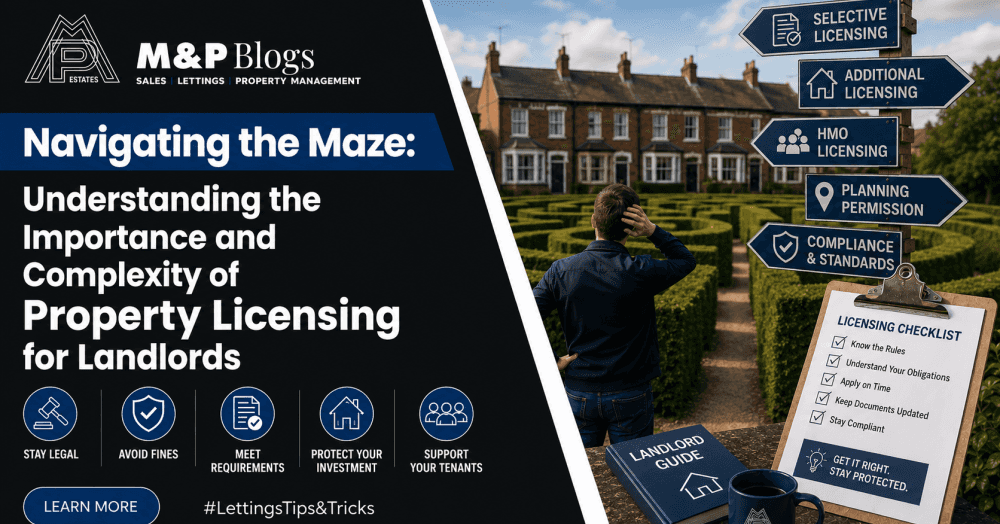
Navigating the Maze: Understanding the Importance and Complexity of Property Licensing for Landlords
For many years, being a landlord in the UK, particularly in areas like South Ockendon, felt relatively straightforward. The regulatory landscape, while present, often allowed for a more 'ignorance is bliss' approach for some. However, those comfortable years are firmly behind us. Today, property licensing is not just a recommendation; it's a complex, mandatory requirement in many areas, and its importance cannot be overstated.
The Evolving Landscape of Property Licensing
The truth is, the world of property letting has changed dramatically. What was once a niche requirement for Houses in Multiple Occupation (HMOs) has expanded significantly. Local authorities across the country are increasingly implementing additional licensing schemes, often covering a broader range of rental properties, not just HMOs. This means that even if you let a single-family home, you might find yourself subject to licensing requirements you were previously unaware of.
One of the biggest challenges we observe is that many landlords are still unaware of these 'new layers' of regulation. The legal requirements are constantly evolving, and keeping up can feel like a full-time job. This lack of awareness can lead to serious consequences, including hefty fines, criminal convictions, and even rent repayment orders, where you could be forced to pay back up to 12 months' rent to your tenants.
Why 'Ignorance is Bliss' is No Longer an Option
The days of assuming your property is compliant without checking are over. Local councils are becoming far more proactive in enforcing licensing rules. They have dedicated teams and resources to identify unlicensed properties, and the penalties for non-compliance are severe. It's not about luck; it's about strategy and ensuring you have all your ducks in a row.
Gathering the necessary information is often a common sticking point for landlords. The sheer volume of legislation, coupled with local variations in licensing schemes, can be overwhelming. Understanding whether your property falls under mandatory HMO licensing, additional licensing, or selective licensing requires careful research and a clear understanding of your local authority's specific rules.
The Benefits of Being a Licensed Landlord
While the process can seem daunting, obtaining the correct property licence offers significant benefits. Firstly, it ensures you are operating legally, protecting you from potential fines and legal action. Secondly, it demonstrates your commitment to providing safe and well-managed homes, enhancing your reputation as a responsible landlord. This can attract higher quality tenants and reduce void periods.
Furthermore, being licensed often means your property meets certain safety and amenity standards, which ultimately benefits your tenants and reduces the likelihood of disputes. It's about creating a secure and positive rental experience for everyone involved.
How M&P Estates Can Help
At M&P Estates, we understand the complexities of property licensing. We're a local agency who tells the truth, even when it's tough to hear, and we know that navigating these regulations can be challenging. Our team has decades of collective experience and a deep understanding of the South Ockendon market, including the specific licensing requirements in our area.
We believe in a client-first, human approach. We're here to guide, not pressure, and we can assist you in understanding whether your property requires a licence, helping you gather the necessary information, and supporting you through the application process. We don't tie our clients in; they stay with us by choice, not contract, because they value our transparent communication and expert advice.
Thinking of letting out your property? We offer flexible packages and full compliance support. Speak to our lettings team for tailored advice and ensure your property is fully compliant, giving you peace of mind.